 Sofia Reyes · 7 min read
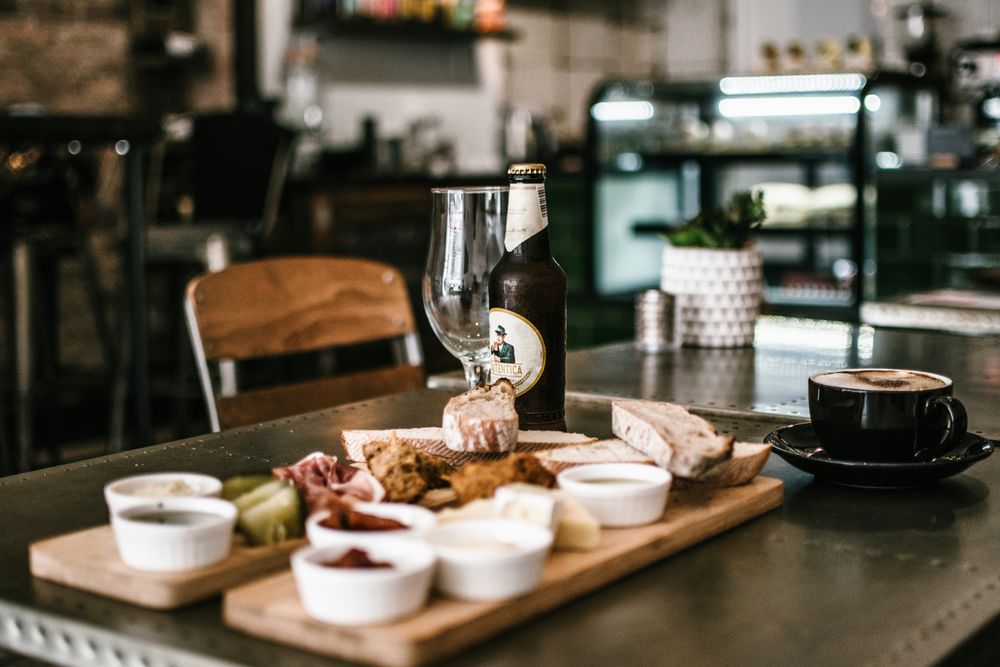
For one month this spring we ran an experiment: a café with no laptops, no rushed tables and a menu that refused to hurry. Long lunches, bread that takes two days, coffee that takes ten minutes. Here is what the slow month taught us about eating — and about running a kitchen.
Bread cannot be rushed, and neither can guests
Our loaf ferments for 36 hours, and the room shaped itself around that rhythm. When the food will not be hurried, people stop trying to hurry it. Average table time stretched past two hours, and average spend rose with it — nobody orders a second pot of tea when they feel watched.
Three ingredients, done properly
The most-ordered dish of the month was also the simplest: thick-cut sourdough, salted cultured butter, flaky salt. It worked because each element was the best version of itself. Slowness is really just attention, applied repeatedly.
Nobody orders a second pot of tea when they feel watched. Give people time and they give it back.
What we kept
The month ended but three things stayed: the 36-hour loaf is now our house bread, weekend brunch runs without time limits, and the staff meal — eaten together, seated, every day — is sacred. Speed has its place. Mornings are not it.

Sofia Reyes
Editor of the Fennel & Ember journal. Sofia writes about cafés, mornings and the culture of eating.