 Priya Nair · 8 min read
Every host knows the moment: the invitations go out, and the replies come back with footnotes. Gluten-free, nut allergy, dairy-free, vegetarian, halal — a table of fourteen can easily carry six different sets of needs. It feels daunting, but it is really a menu-planning puzzle with a very satisfying solution.
Start with one naturally inclusive menu
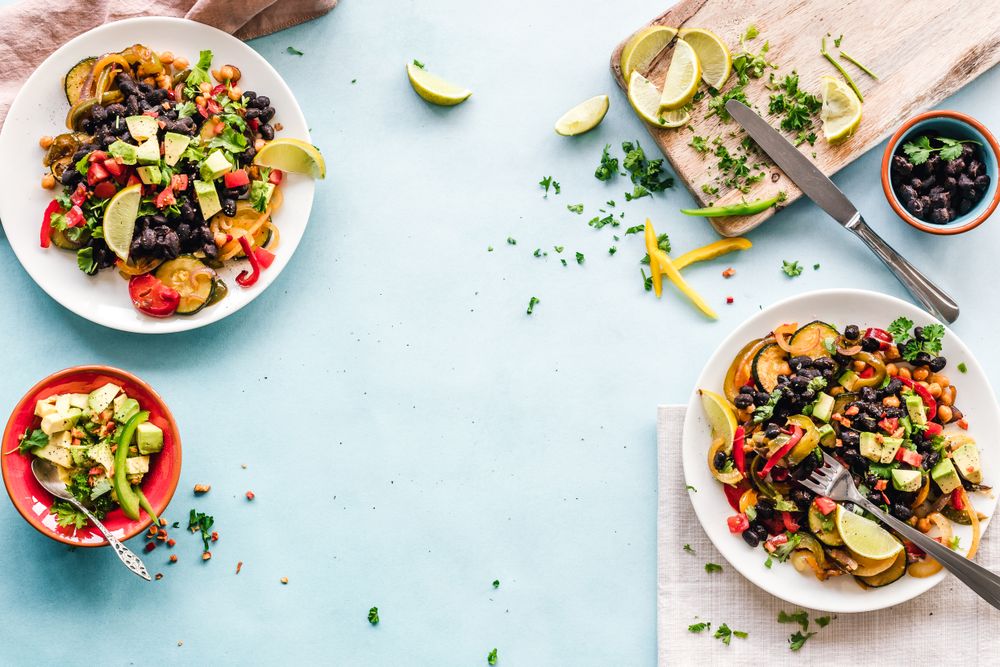
The biggest mistake is cooking a separate sad plate for the guest with restrictions. Instead, build the whole menu from dishes that happen to suit almost everyone: a roast vegetable centrepiece, naturally gluten-free grains, a protein cooked simply and sauces served on the side. Nobody feels singled out because nobody is.
Ask early, ask specifically
A vague “any dietary requirements?” gets vague answers. Ask instead: what must you avoid entirely, what do you prefer to avoid, and how severe is it? The difference between an intolerance and an airborne allergy changes how you cook — separate boards, clean oil, labels on the buffet.
Cook one menu for everybody. The restricted guest should never be able to tell which dish was “theirs.”
Label everything, deconstruct dessert
Put a little card in front of every dish listing the major allergens it contains. For dessert, serve components — poached fruit, coconut sorbet, nut brittle on the side — so guests assemble what suits them. It looks generous and it is safer than any single plated pudding.
Our go-to inclusive menu
Charred citrus chicken (or harissa cauliflower) with herb oil, ember-roasted vegetables, herbed rice pilaf, big green salad with the dressing alongside, and a fruit-and-sorbet dessert board. It covers gluten, dairy, nuts and meat-free needs without a single compromise guest can taste.

Priya Nair
Head of kitchen at Fennel & Ember. Priya runs recipe testing and writes about feeding crowds well.